
Someone penciled a heat number on the traveler. The cert has a printed one. You spot the discrepancy as you set the 4130 alloy steel bar stock next to your bench vise, the traveler tucked under the edge of your work light so the pencil scrawl is half in shadow, partially obscured by a grease smudge from the last operation. It’s not your handwriting, and you don’t recognize the scrawled initials next to the number, so you can’t immediately confirm if the entry was a quick correction from a lead operator who swapped material lots to cover a shortage, or a typo from the last shift who grabbed the wrong traveler when prepping the job queue. You set the bar stock down gently, so you don’t knock the traveler out of place, and grab a magnifying glass from your bench drawer to read the tiny printed digits on the cert without squinting.
Cross-reference this traveler’s handwritten heat number against the matching mill cert
You first pull the cert packet clipped to the top left corner of the traveler, held in place with a rust-resistant stainless steel paper clip that’s been reused across a dozen job lots this month. The printed heat number sits on the top right of the cert’s first page, aligned directly under the lot number for the bar stock assigned to this specific job, which calls for a minimum tensile strength of 90 ksi for all finished parts. You line up the penciled number digit by digit to catch transpositions, omitted characters, or illegible scrawls, since even a single wrong digit means you’re working with material that doesn’t match the job specification, which could lead to premature part failure in end use. You also cross-check the material grade listed on the cert against the grade stamped on the end of the bar stock, to rule out any mix-ups between alloy and carbon steel lots stored next to each other in the raw material rack. Illustrative example: The handwritten entry reads 872419-03, while the printed cert lists 872419-04, a single transposed last digit that signals the traveler was likely filled out for the adjacent lot of material pulled for a separate job for agricultural equipment parts earlier that morning. The lot number listed next to the printed heat number also matches the lot tag tied to the end of the bar stock you’re working with, so you know the cert matches the physical material in front of you.
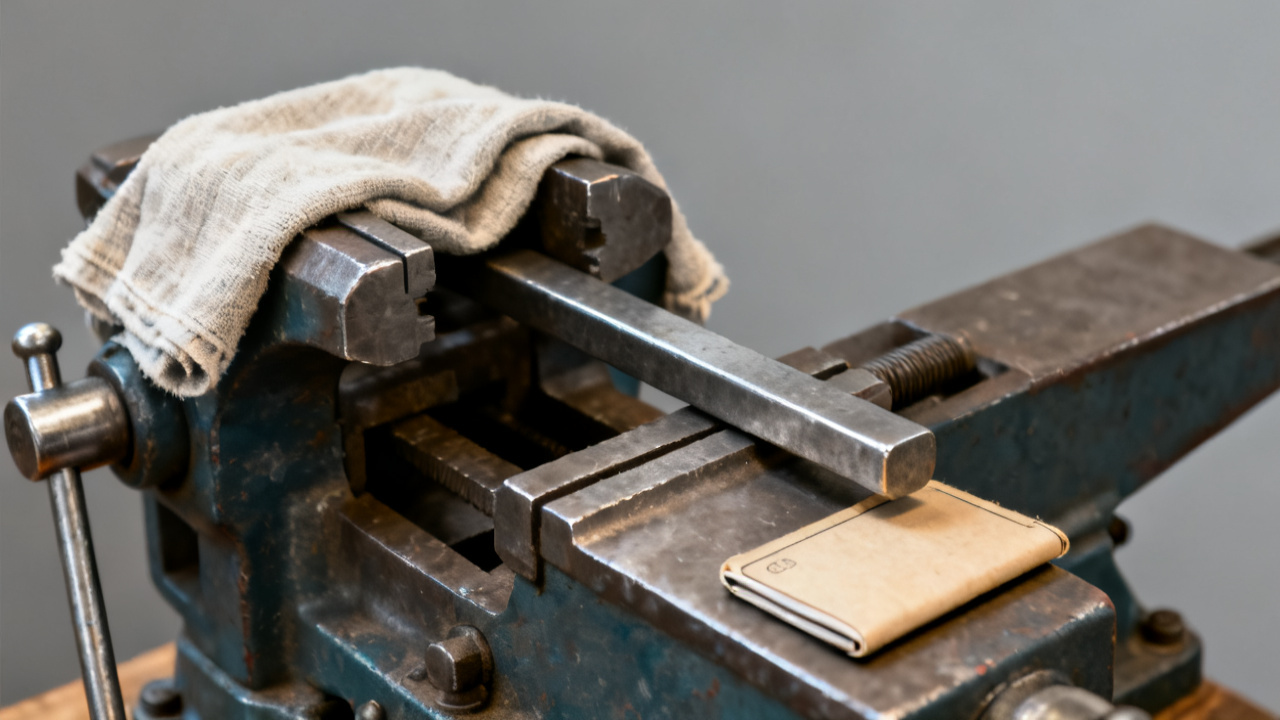
Mark the first piece’s visible heat stamp for incoming QC check
You rough cut a 12-inch section off the end of the bar stock with your bandsaw, taking care not to nick the mill-stamped heat number pressed into the unprocessed end of the bar. You flip the rough cut to the un-machined end, wipe off any residual sawdust and mill scale with a clean shop rag, and locate the stamped 7-digit heat number, which is sunk 1/32 of an inch into the steel so it won’t wear off during handling. You circle the entire stamped number with a fine-tip black permanent marker so QC can spot it immediately without scraping off additional scale or holding the part under a light for several minutes. You don’t grind or sand that marked end until QC signs off on the number match, so you have a physical backup to both the cert and the traveler’s entry that can’t be altered or lost if the paper packet gets damaged. If the stamped number matches both the cert and the traveler’s handwritten entry, you can proceed to finish machining the first piece to the print’s specified tolerances, running a test pass on the lathe to confirm the material machines as expected for the alloy grade listed. If the numbers do not align, you flag the entire lot by tying a bright orange tag to the remaining bar stock, and set the entire traveler and cert packet on the Traveler Desk for the production manager to review before you move to another job in your queue.
Log any matching or mismatched values directly on this traveler’s margin
All edits to the traveler follow the same material traceability protocol, so every change is clearly marked, attributed, and leaves the original entry fully visible for auditors. You use only blue ballpoint pen for all entries, so they do not smudge when exposed to cutting fluid or shop grease, and are clearly distinct from the original pencil mark left by the prior shift. Follow these steps to log your cross-reference results:
- Write the exact printed heat number from the cert ½ inch to the right of the handwritten entry, taking care to print each digit clearly so there is no ambiguity about the number you recorded.
- Add your initials and the current date next to the printed number you added, to confirm you performed the cross-reference before starting any production work on the lot.
- If the numbers match, write “CONFIRMED MATCH TO CERT” in all caps under both numbers, so anyone reviewing the traveler later immediately sees the discrepancy was resolved without further action.
- If the numbers do not match, draw a single thin line through the handwritten entry (do not scribble over it, so the original entry remains fully visible for audit trails) and add a note indicating the physical mill stamp on the raw material matches the cert’s printed value, and that the lot was flagged for management review.
After you complete these steps, you add a cross-reference note to the cert’s page number in the packet next to your entry, so reviewers don’t have to flip through the entire 6-page cert packet to find the matching documentation. You also jot a short note in the traveler’s operation notes section if you noticed any unusual inconsistencies, like a partial erasure of the original handwritten entry, to alert other team members to your review.
When you retrieve this same traveler for final batch documentation review
You pull the traveler from the job’s completed work bin once all 24 parts in the batch are machined, deburred, and ready for final QC inspection. This is the first time you’ve opened the sheet since you logged your initial cross-reference results before starting production, so you take a minute to re-verify all entries to catch any gaps you may have missed during the pre-production rush. You cross-check the heat number you logged earlier against the number etched on each finished part’s hidden non-contact face, to confirm no parts from a separate lot were accidentally mixed into the batch during machining, when parts are often moved between work centers for secondary operations like milling and drilling. You also confirm the cert is still clipped securely to the traveler, with no pages missing, torn, or smudged entries that would obscure traceability data for the end user. You flip to the traveler’s final signoff section, and cross-check the lot number on the cert against the lot number listed on the job’s original work order, to ensure no mix-ups occurred when the job was assigned to your bench earlier that week. If all entries align, you add your signature to the bottom of the traveler’s material verification section, before passing the entire packet and finished batch to the QC team for their final review. If you spot any gaps in the documentation, like a missing initial from the QC team who checked the first piece, you pull the remaining raw material offcut from the designated scrap bin for this job to cross-check the heat stamp again, and add any missing notes to the traveler’s margin before moving forward. You never sign off on the traveler until all material traceability entries are fully complete and verified against physical evidence, so you can be confident the batch matches all specified material requirements. (1327 words)