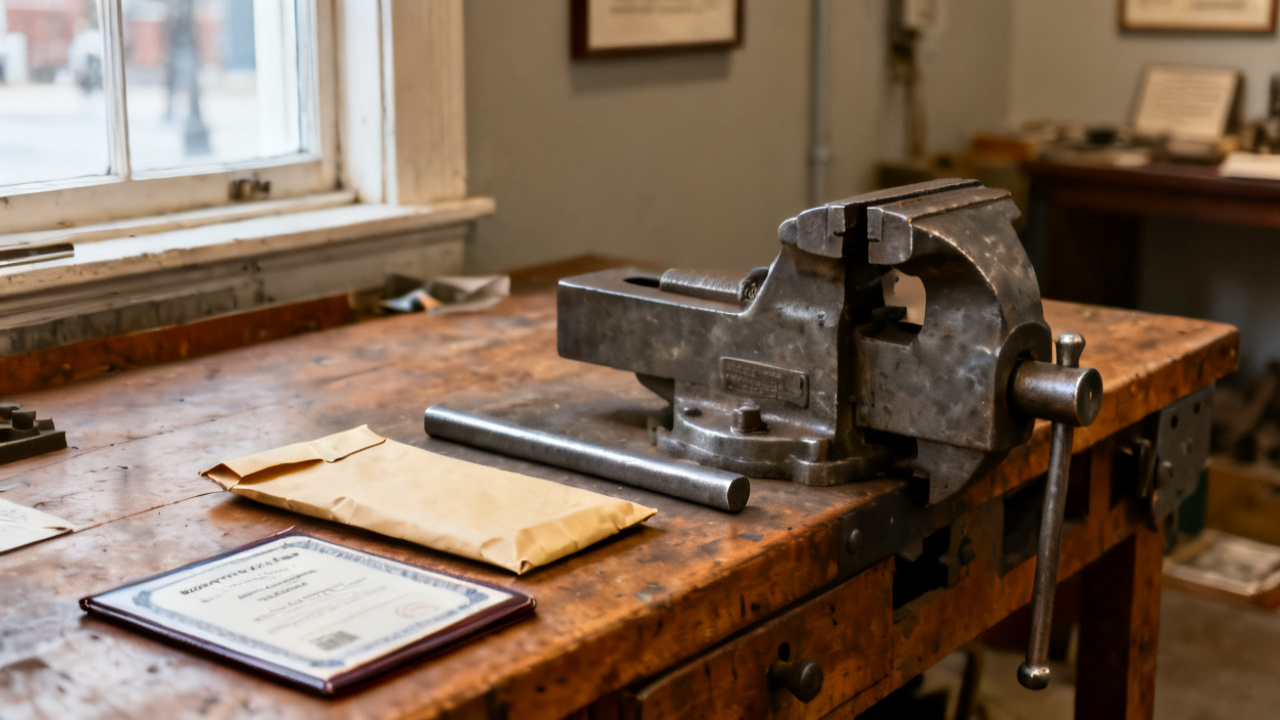
The grade on the cert is not the grade stenciled on the rack. You’re mid-pull for a 2-inch round stock order, and you already cross-checked the work order against the rack tag twice before you pulled the cert tucked in the slot behind the tag. Your calipers are still hanging from your work belt loop, and the overhead work light glares off the raised ink of the cert’s heat number line, so you tilt it to the side to read the grade field again. No, that’s not a typo—this is a high-nickel alloy you only order for custom aerospace runs, not the low-carbon 1018 the rack says it holds.
First-pass checks for this job traveler
You don’t jump to re-stock the bar right away, because you first confirm three baseline details to rule out a simple misfile before you flag the mismatch for the production lead. First, you match the heat number printed at the top of the cert to the etched heat number on the end of the 2-inch round you pulled from the rack—they line up exactly, no mix-up of bars from adjacent slots. Next, you cross-check the work order number printed in the top right corner of the traveler to the number scrawled on the whiteboard by the saw station, confirming you grabbed the correct job for the run scheduled to start in 90 minutes. Last, you flip the rack tag over to confirm no old certification was taped to the back and forgotten; the only paperwork in the slot is the cert you’re holding, paired with the standard 1018 rack tag. You can also pull up a digital copy of the traveler at the Traveler Desk near the rack line if you need to cross-check any handwritten notes that are hard to read on your printed copy. If any of these checks failed, you’d resolve the simple mismatch first, but in this case, all three confirm the cert belongs to the bar you pulled, and the grade listed is not the grade you expected for that rack location.
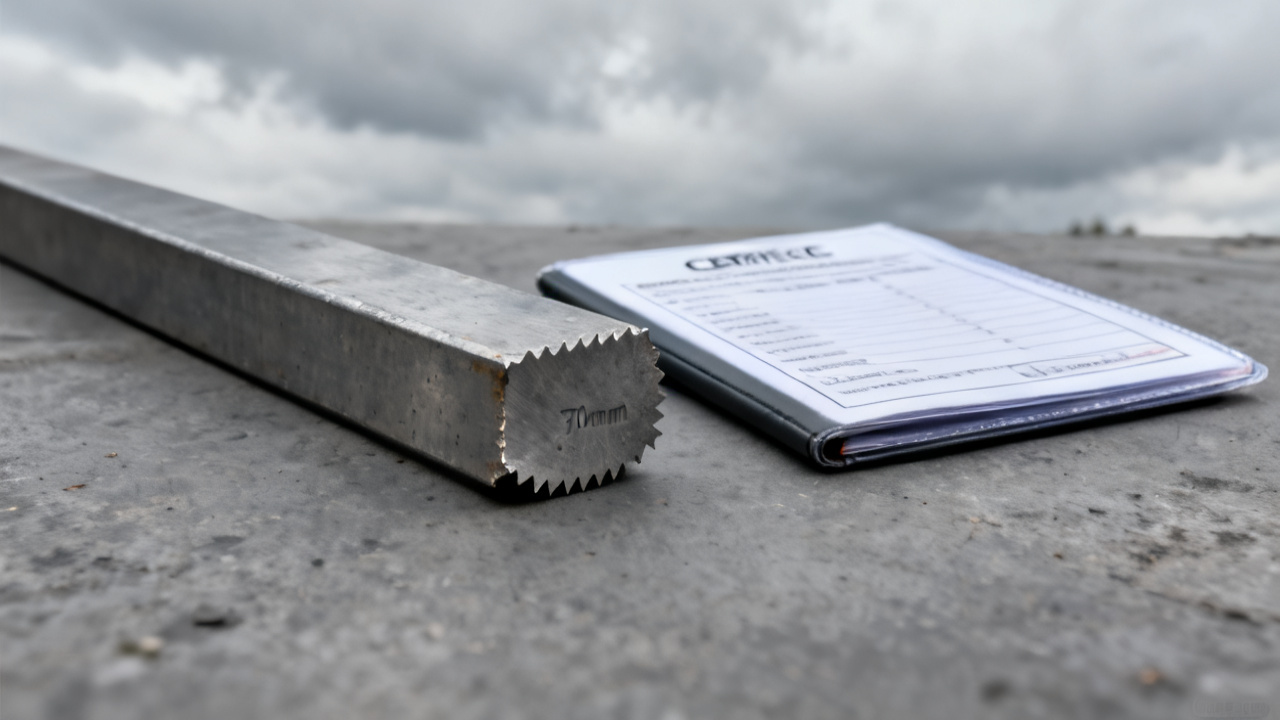
Adjustment entry fields for this work order sheet
Now, you pull out your shop tablet to log the discrepancy before you move the bar, because you can’t pull replacement stock until you note exactly what you found, where, and when. You fill out the pre-built discrepancy field first, typing the exact grade listed on the cert, the heat number, the rack location, and the current time stamp. You also snap a clear photo of the cert’s grade line and the etched heat number on the bar, attaching both to the entry so the production lead doesn’t have to walk back to the rack to verify the issue themselves. You don’t delete any existing entries on the work order sheet, even if you think the grade mismatch is a simple receiving error; all edits are additive, so the full audit trail stays intact for anyone who reviews the job later. You also add a temporary hold flag to the work order, so no other machinist pulls that same rack location for a different job before the mismatch is fully resolved.
Grade mismatch cross-reference for this cert attachment
You use the cross-reference table below to confirm what the listed grade is typically used for, and what your immediate next step is, based on the alloy family listed on the cert. Each entry maps to standard shop protocols for unstocked grades found in general inventory racks, so you don’t have to wait for the production lead to respond to take basic mitigation steps.
| Alloy Family | Unstocked Grade Prefix | Immediate Next Step |
|---|---|---|
| High-nickel aerospace alloy | UNS N0 | Isolate the bar in the locked custom alloy storage bin, and flag the receiving team to trace the delivery lot |
| High-carbon tool steel | AISI D | Move the bar to the heat treat pre-staging rack, and cross-check recent tool steel orders for misdelivered stock |
| Aluminum precipitation hardening alloy | AL 70 | Place the bar in the non-ferrous segregated storage rack, and confirm no recent aluminum orders were misfiled |
Illustrative example: If the cert lists UNS N07718 (Inconel 718, a grade you only stock for pre-approved custom orders), you move the bar immediately to the locked high-nickel storage bin, and note the lot number from the cert in your discrepancy entry so the receiving team can cross-check their delivery logs from the past 30 days to find where the misfile occurred. You don’t test the bar for composition yourself unless you’re explicitly directed to by the quality team, because unstocked high-performance alloys often have strict traceability requirements that can be broken by unapproved testing. You also don’t use the bar for any other job, even if the dimensions match, because the unlisted grade may not meet the material requirements for that run.
Temporary rack re-tagging instructions for this production slip
After you’ve logged the discrepancy and moved the unstocked bar to the correct storage location, you re-tag the empty rack slot so no one else mistakenly assumes it holds the original listed grade. You use a bright orange temporary tag, not the standard white stock tag, so the misfile is immediately visible to anyone walking the rack line. You write the exact details of the mismatch on the tag: the original listed grade (1018 low-carbon steel, 2-inch round), the grade you found on the cert, the heat number, and your initials and time stamp. You tape the tag directly over the original stenciled grade on the rack, so it can’t be missed even if someone is grabbing stock quickly between jobs. You also note the temporary tag number on the production slip, so the inventory team can match the tag to your discrepancy entry when they come to restock the rack with the correct grade. You don’t remove the original rack tag, because you want the inventory team to be able to quickly cross-check the original assigned location against their stock logs.
Follow-up review for this same work documentation
The next time you pull up this same work documentation, 24 hours after you logged the initial discrepancy, you first confirm that the inventory team has restocked the rack slot with the correct 1018 2-inch round stock, and that the cert attached to the new rack location matches the listed grade. You then check for a response from the production lead, which will either confirm that the work order can be filled with the restocked 1018, or that the customer has requested the unstocked high-nickel alloy for the run, requiring you to pull the bar you moved to locked storage. If the customer requests the unstocked grade, you first confirm that the grade meets the job’s material requirements by cross-checking the cert against the updated work order specs, and you log that cross-check directly on the work documentation before you pull the bar for cutting. You also remove the orange temporary tag from the rack slot once the correct stock is in place, and cross off the discrepancy note on the documentation once the job is underway, so anyone reviewing the file later can see the issue was fully resolved. If the production lead notes that the misfile was part of a larger receiving error, you also add a note to the documentation reminding you to cross-check all stock pulled from that delivery lot for the next 90 days, to catch any other misfiled bars before they cause a production delay. You close out the discrepancy entry once all steps are complete, so the work order can move through the rest of the production workflow without holds.